
Hornbill Festival 2026: Dates, Kohima, Dzukou Valley & How to Plan Your Trip
December in Nagaland has a very different rhythm during Hornbill Festival. For ten days, Kisama Heritage Village near Kohima becomes a meeting point for cultural performances, music, food, craft, indigenous games and traditions represented from across the state.
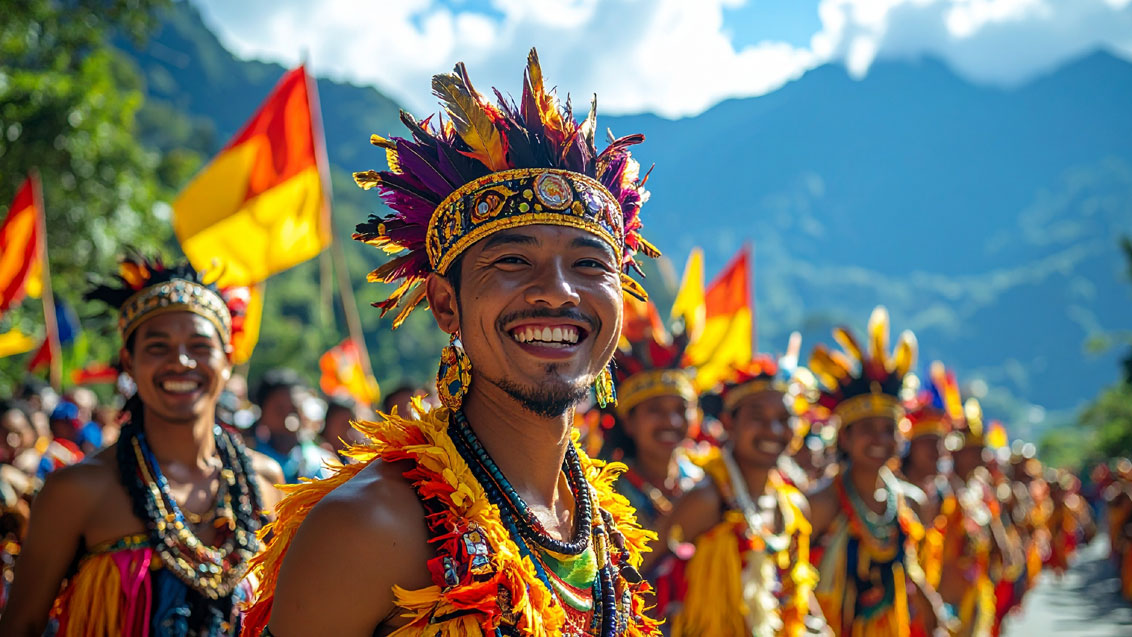
It is tempting to plan the trip around the festival alone. But Nagaland gives you much more when you add time in Kohima and a day in Dzukou Valley. One is energetic and social, the other open, quiet and best experienced on foot.
If Hornbill Festival 2026 is on your travel list, this guide covers the essential dates, where to stay based, what to expect at Kisama, how Dzukou fits in and the practical details worth sorting before you leave.
Hornbill Festival 2026 dates: 1 to 10 December
Nagaland Tourism lists Hornbill Festival 2026 from 1 to 10 December 2026. The celebrations return each year to Kisama Heritage Village, roughly 12 km from Kohima, bringing many of Nagaland's cultural traditions together within one festival setting.
If Hornbill is the main reason for your journey, do not reduce Kisama to one quick visit. A return visit lets you slow down and spend more time with the performances, food, craft and spaces that interested you most.
Where is the Hornbill Festival held?
The main venue is Kisama Heritage Village outside Kohima. The complex brings together traditional morungs, cultural spaces, food areas, craft displays and performance venues so visitors can encounter different aspects of Nagaland's communities in one place.
Treat Kisama as somewhere to spend time rather than another attraction to tick off. The feel of the festival shifts as the day moves on, and the smaller details are easier to appreciate when your schedule is not packed.
What can you expect at Hornbill Festival 2026?
A day at Hornbill can move from cultural performances to handloom, handicrafts, local dishes, indigenous games, art and music. The stage is only part of it. Walk the grounds, notice the workmanship and try food that is new to you.
It also helps to remember that Hornbill is a cultural gathering, not simply a photo opportunity. Be respectful when photographing people, ask before taking close portraits and give yourself enough time to understand what you are looking at.
Keep time for Kohima beyond the festival
Kohima deserves more than being treated as the place you sleep between visits to Kisama. Keep a little time for the city itself, including its markets, local food and history. A quieter morning or evening can also be welcome after the intensity of festival crowds.
Festival week is one of the busiest periods for travel around Kohima. Rooms and vehicles get booked early, and road journeys can take longer than expected. A little buffer in the itinerary can make the trip much easier.
Add Dzukou Valley for a completely different side of Nagaland
Dzukou Valley, on the Nagaland and Manipur border, creates a strong contrast with the festival. After the music, crowds and colour of Kisama, the landscape opens into bamboo, ridges and long stretches where the experience is simply about walking and taking in the surroundings.
Dzukou is commonly described as a moderate trek, but uneven sections and cold December mornings still require preparation. Wear comfortable walking shoes, carry water and a warm layer, and build in some regular walking beforehand if trekking is not part of your routine.
A simple way to plan 6 to 7 days
Trying to combine Hornbill Festival, Kohima and Dzukou Valley in a short weekend can make the trip feel rushed. Six or seven days gives you room for more than one festival visit, a proper Dzukou day and some unhurried time around Kohima.
Salori's 2026 Kohima and Hornbill experience is built around that pace. The seven day, six night departure runs from 5 to 11 December 2026 and brings together Hornbill Festival visits, Dzukou Valley, Khonoma and Dzuleke for a group of up to 16 travellers.
How to reach Kohima
If you are travelling independently, one common route is to reach Dimapur by air or rail and continue to Kohima by road. Nagaland Tourism notes that taxis operate between the two, so include that transfer in your arrival plan.
Salori's scheduled 2026 departure takes a different route, beginning at Bir Tikendrajit International Airport in Imphal before continuing by road to Kohima. Whatever route you choose, allow sensible buffer time around flights, trains and road travel.
Do not forget the permit
Indian visitors who are not residents of Nagaland require an Inner Line Permit for travel to the state. Applications and current document requirements are available through the Government of Nagaland's online ILP portal. Foreign travellers should check the latest official instructions that apply to them before travel.
Because permit processes and travel requirements can be updated, rely on the official Nagaland ILP portal close to your departure date rather than copying information from an older article or social media post.
What to book early for Hornbill Festival 2026
December brings heavy demand around Hornbill, so arrange accommodation and key transfers once your dates are fixed. If Dzukou is included, organise any trek support you need. Pack a small daypack, water bottle, warm layer and comfortable shoes for cool starts and long days outdoors.
Then resist the urge to schedule every hour. Some of the best parts of Hornbill come from staying longer at a performance, returning to a food stall or following a conversation rather than rushing to the next item on a checklist.
Plan for the festival, but travel for the whole experience
Hornbill Festival 2026 may be the reason you book the ticket, but the larger trip is what gives the journey its depth. Kohima, Dzukou Valley and the smaller places around them add context that a festival visit on its own cannot provide.
Go for the performances, food and colour. Also make time to walk, listen, learn and see how the landscape and communities around Kohima shape the experience. That is when the trip starts to feel less like attending an event and more like discovering Nagaland.
RELATED SALORI EXPERIENCE Explore Salori's Kohima & Hornbill experience