
Travelling Solo, Finding Your People
Why solo travel can feel richer when a shared passion provides the first connection, and why small groups can offer both independence and belonging.
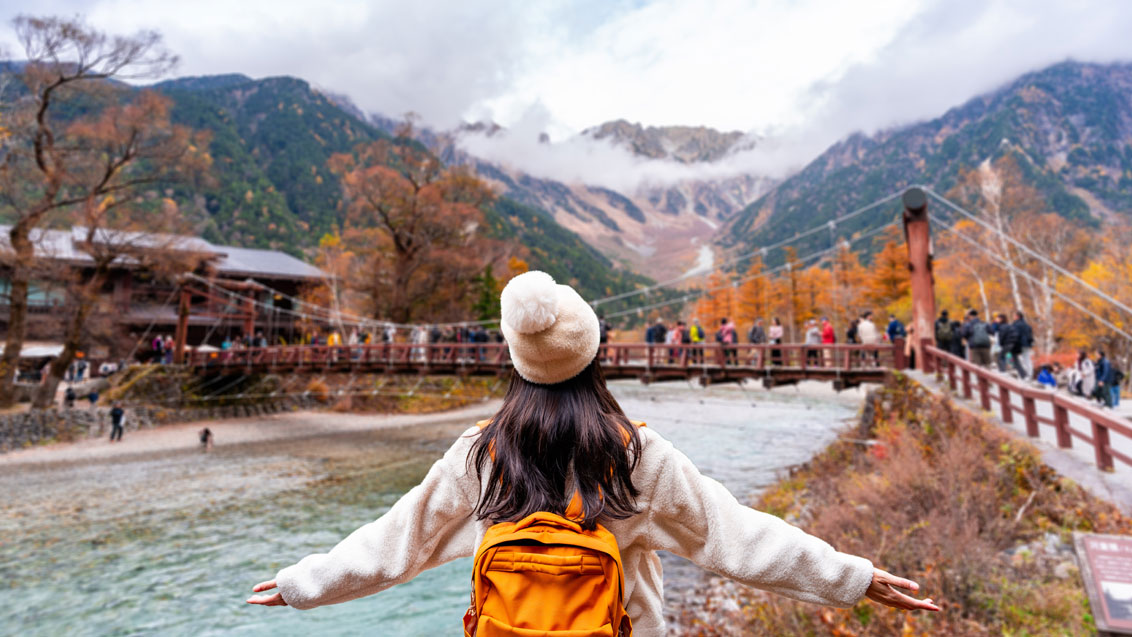
Going somewhere alone does not have to mean travelling alone. Sometimes the easiest way into a new circle is to begin with something you already love.
The courage is often in the first step
The hardest part of travelling solo is not always the journey itself. It is the decision.
There is the practical hesitation, of course. Who will I know? Will I fit in? What if everyone else has come with a friend? But beneath those questions is something more personal: the discomfort of entering a room without a role already assigned to you.
At home, most of us are known through context. We are someone's colleague, partner, parent, neighbour or old friend. Travel removes some of those labels. That can feel exposing, but it can also feel liberating.
You get to arrive simply as yourself.
Why shared interests change the room
The usual advice about solo group travel is to be open, friendly and willing to meet people. All true, but it places a lot of pressure on chemistry.
A shared passion makes the beginning easier.
Put a group of people around a table with nothing in common and conversation may take time. Put them in a craft studio, on a forest trail, at a photography walk or in a yoga session and there is already a subject in the room. Nobody has to invent connection from scratch.
The interest does not need to be serious or expert. You do not have to be an artist to be curious about art, or an athlete to enjoy movement. The point is that everyone has chosen to be there for a reason beyond simply “taking a holiday.”
That reason creates a natural first bridge.
Solo does not mean solitary
There is a useful distinction between independence and isolation.
Many people want the freedom of solo travel but not the administrative burden or loneliness that can come with doing every part alone. They want their own room, their own pace at certain moments and the freedom to decide for themselves. They may also want someone to share a meal with, laugh with after a long day or turn to when something surprising happens.
Small group travel can occupy that middle ground beautifully when it is designed with care.
You can disappear into your room for an hour without apology, then join the group for dinner. You can walk slightly ahead on a trail, then meet everyone at the viewpoint. You can arrive without knowing anyone and still never feel that you are navigating the destination entirely by yourself.
The luxury of being interested again
Adult life is efficient. It rewards what is necessary, urgent and useful.
Passions are rarely any of those things, which is why they are easy to postpone.
The guitar stays in its case. The camera comes out only on birthdays. Running becomes something you used to do. Art is admired from a distance. The book on pottery, birding or architecture sits unread while more practical tasks take over.
Travel can create a temporary break in that logic. For a few days, curiosity can become the main event.
You can wake early because you want to photograph the light, not because there is traffic to beat. You can spend an afternoon understanding a textile technique with no need to turn it into a skill or side project. You can walk, swim, paint, taste, listen or learn simply because it feels good to be interested in something again.
What we remember is rarely the itinerary
Ask people about a favourite trip years later and they often forget the sequence of monuments.
They remember a person.
The guide who told a story differently. The stranger who became the person they sat beside at every meal. The moment the whole group laughed at something that would sound unremarkable to anyone who was not there. The friend they continued to message after the trip ended.
This is not accidental. Travel compresses time. A few shared days can create intimacy surprisingly quickly because people are away from their usual routines and paying attention to the same things at the same time.
Shared passions deepen that effect. They give the group something to return to, even after the destination changes.
A more generous idea of solo travel
Perhaps we need to stop treating solo travel as a test of self sufficiency.
There is courage in going somewhere alone, but there is no prize for making the experience harder than it needs to be. Asking for company is not a failure of independence. Choosing a well curated group does not make the journey less personal.
In fact, the right group can give you more freedom. Someone else has considered the details. A local expert opens doors you may not have found alone. The group creates safety and ease. You are left with more attention for the reason you came.
The Salori way
Salori was built around a simple belief: people connect more naturally when they are doing something they genuinely care about.
That is why a journey might begin with art, movement, culture, food, music, photography or wellness rather than a list of attractions. The destination still matters, but it is not the only reason to go.
Come solo if you want to. Bring a friend if you prefer. What matters is arriving curious.
You may leave with photographs, a new skill or a favourite place. Very often, you leave with something less expected: people you did not know you were looking for.