
Planning a Solo Trip in India in 2027: A Complete Guide for Women
Perhaps 2027 is the year you stop saying, “I’ll travel when someone else is free.” A first solo trip does not need to be a grand reinvention. It can be a two-night heritage escape, a weekend among trees, or a few days learning something you have always meant to try. The important thing is making a plan that feels like yours.
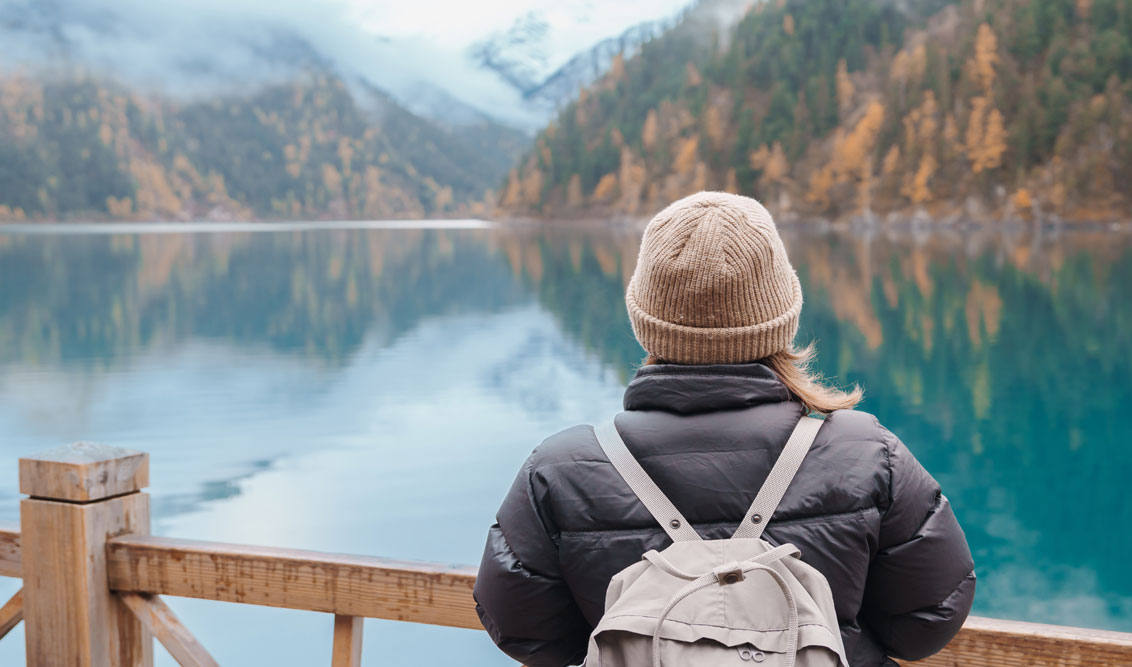
This guide is for women considering their first independent journey in India—and for those deciding whether they would prefer to book alone into a small-group departure. You do not need to prove bravery by making travel difficult. Good preparation gives you freedom to enjoy the interesting parts.
Choose an experience before a destination
Start with how you want to feel and what you want to do. For art and architectural stories, consider Mandawa or Jodhpur. For gentle movement and reflection, look at Rishikesh. For nature and birdwatching, evaluate a retreat near Sariska or Corbett with appropriate permissions and local expertise. For lake views and craft, Udaipur offers many possibilities.
Your first trip is easier when there is one meaningful focus. “I want to spend a day learning heritage photography” helps you choose activities, a guide and a realistic length of stay.
Begin with a manageable duration
A weekend or three-night break is often enough for a first experiment. It gives you a chance to learn how you feel about navigating alone without committing to a complicated multi-city itinerary. Choose a destination with dependable transport and accommodation options.
Do not schedule every hour. Allow time after arrival to settle in, verify your surroundings and adjust plans for weather or fatigue. An early evening arrival is generally simpler than reaching an unfamiliar place deep into the night.
Build a realistic budget
Divide the budget into travel, accommodation, food, local movement, activities and contingency. Add entry fees, applicable taxes, guide or workshop charges, and a buffer for unexpected transport or changes. Prices for 2027 cannot be assumed in advance, so confirm current quotes before paying.
An illustrative approach is to decide a total spending limit and keep a separate emergency amount that you do not plan to use. Paying slightly more for a well-located stay or reliable transfer can be worthwhile, especially on a first trip.
Pick transport you can manage confidently
Compare train, flight, intercity coach and private transfer options for timing and arrival point—not only ticket price. Check official schedules, boarding locations, station-to-hotel travel and the availability of recognised taxi services.
Keep important journey details offline as well as on your phone. If arriving after dark, arrange a verified pickup through your accommodation or a reputable provider. Avoid giving unneeded personal information to strangers.
Choose accommodation for function as well as charm
Read recent reviews for cleanliness, staff responsiveness, neighbourhood and transport access. Verify the property’s contact details and booking confirmation. Ask about late check-in, reception availability, meal options and any stair or mobility challenges.
For heritage towns, a beautiful restored haveli may offer atmosphere but also uneven flooring. For nature retreats, a scenic location can be isolated. Neither is a reason to avoid a place; both are reasons to ask the right questions.
Plan activities around your confidence level
Book one anchor experience: a guided art walk, a credible food trail, a beginner-friendly wellness session or a naturalist-led excursion in a permitted area. A planned activity provides purpose and a local point of contact. Leave the remaining time flexible.
If travelling into wildlife areas, check permits and current closures. Do not assume a resort can conduct walks inside a protected reserve. Choose activities with qualified facilitators and be honest about your physical comfort.
Pack light but pack deliberately
Bring season-appropriate layers, comfortable shoes, required medication, identification, payment options, power bank, personal-care essentials and a compact first-aid kit. Keep digital and offline copies of tickets and emergency contacts.
Consider a small day bag rather than carrying everything while exploring. For longer walks, water, sun protection and a light snack are often more useful than extra outfits. Dress for the activity and local weather, rather than an imagined social-media moment.
Independent travel or a group you join solo?
Independent travel gives maximum freedom to change plans and spend time alone, but you handle all logistics and decisions. Joining a small-group trip as a solo booker can give you hosted activities, shared transport and easy companionship, though the schedule is less flexible.
Women-only groups are one option, not a requirement. Compare leadership, inclusions, group size, accommodation, cancellation terms and the theme. Choose based on what makes the journey meaningful, not what seems most adventurous online.
Keep safety practical and personal
Tell someone trusted your basic itinerary, keep essential contacts accessible and use recognised transport. Know India’s emergency number 112 and tourist helpline 1363. Follow your judgement around invitations, shared information and unfamiliar routes, while remembering no checklist can eliminate all risk.
For 2027, recheck local conditions, weather alerts, route changes, permit rules and operator details close to departure. Information published months ahead can change.
Keep a little space for surprise
A solo trip can include one quiet café, an unexpected recommendation from a guide or a conversation with a fellow traveller. You do not have to fill every gap. Some of the nicest memories arrive because you did not plan the minute.
If you are nervous, choose a place close enough for a comfortable return and set a small personal challenge—photograph five textures, try one new dish or write a page about what surprised you. Confidence often grows through ordinary moments.
A final way to deepen the experience
You might discover that your favourite kind of travel changes with time. One year you may want the confidence of a hosted group; another year you may enjoy planning every detail yourself. You are not choosing a permanent identity as a “solo traveller.” You are choosing the arrangement that suits your current curiosity, budget and responsibilities. That freedom is one of the best reasons to begin.
An example first-timer itinerary
Friday: arrive in daylight, check in and take an easy neighbourhood walk or enjoy the property. Saturday: join a guided activity around your passion—art, nature, food or movement—with plenty of time for lunch and a free afternoon. Sunday: have a slow breakfast, revisit a favourite place if practical and depart before travel becomes stressful. This format works because it gives a solo traveller structure without making every minute dependent on a group.
A gentle way to build confidence before departure
Before the main journey, practise one small independent outing in your own city. Navigate to a museum, book an activity or enjoy lunch alone. The aim is not to prove anything but to discover which parts of logistics you already manage well. You may realise that booking transport is easy but unfamiliar arrivals feel stressful, or that you enjoy solitude but want company at dinner. These discoveries help you choose a trip structure that suits you.
Keep your planning notes in one accessible place: booking confirmations, accommodation address, emergency contacts, local transport plan and any medical or dietary requirements you have chosen to disclose to your operator. Reduce unnecessary complication where possible. Confidence often comes from knowing what you will do next, not from knowing everything that could happen.
How to know the trip went well
Do not measure success by whether you felt fearless every minute. Perhaps you navigated one unfamiliar station, asked for a table for one or enjoyed a conversation you would otherwise never have had. Perhaps you realised you prefer hosted small-group travel to independent planning. All of these are useful discoveries. A first trip is not an exam; it is information about what travel can look like for you.
Frequently asked questions
Which is the best first solo trip in India for women in 2027?
Choose an accessible destination linked to your interest, such as heritage, food, wellness or nature, rather than relying on one universal “best” place.
How many days should a first solo trip be?
Two to four days can be a manageable starting point, depending on travel time and comfort.
How much should I budget?
Add confirmed transport, stay, food and activity costs plus a contingency; actual 2027 prices will depend on season and bookings.
Should I travel alone or join a group?
Independent travel offers flexibility; a small-group departure offers structure and companionship. Both can be good choices.
What safety precautions matter most?
Reliable accommodation and transport, accessible emergency contacts, itinerary sharing and awareness of local conditions.
What should I book first?
Set dates and destination, then secure suitable transport and accommodation before reserving activities that require permits.
Can I travel solo without being very outgoing?
Absolutely. Choose a pace that suits you and activities that give you an easy focus without demanding constant socialising.
Travel for what moves you
Travel in 2027 does not have to be bigger to matter more. Start with a passion. Make a plan you trust. Leave room for a new conversation, a new skill or a different view of yourself. Salori exists for the moments when travelling independently and connecting meaningfully can happen together.